Understanding the Odds
One of the most pervasive myths about gambling is that players can significantly influence the odds in their favor. Many believe that strategies or specific betting patterns can alter the inherent probabilities of a game. In reality, each game of chance, whether it’s a slot machine or a table game like blackjack, operates under fixed mathematical odds. These odds are determined by the game's design and the laws of probability, which means that no strategy can change them. For those seeking a fast payout casino, it’s important to understand that the odds remain the same, no matter where you play.
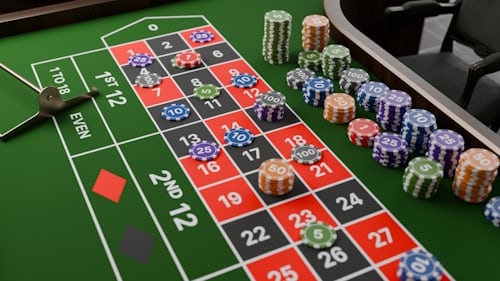
For example, in games like roulette, the presence of a zero or double zero on the wheel ensures that the house retains a slight edge. While skilled players can employ strategies to minimize losses in games like poker, luck remains the dominant factor in most gambling forms. Understanding this distinction between skill and luck is crucial for anyone looking to engage in gambling responsibly.
Moreover, the belief that certain players are 'lucky' or that previous outcomes can affect future results—commonly known as the gambler's fallacy—further complicates understanding the odds. Each spin, roll, or deal is independent of the last, emphasizing the importance of viewing gambling as a form of entertainment rather than a reliable way to make money.
The Role of Luck and Skill
Many newcomers to gambling often overemphasize the role of luck, assuming it is the only factor that matters. While luck is undeniably a significant element, particularly in games of chance, skill can also play an important role, especially in strategy-based games like poker and blackjack. Players who understand the nuances of these games and make informed decisions can potentially increase their chances of winning.
For instance, a skilled poker player will know when to bluff, fold, or raise based on their read of the table and opponents. This understanding of the game dynamics can drastically change outcomes, proving that skill can indeed have a substantial impact. However, it is essential to acknowledge that even the most skilled player will experience losing streaks due to the inherent randomness of the game.
Consequently, while luck and skill coexist in gambling, they do so in a delicate balance. Players must accept that no matter how well they play, outcomes can still be influenced by luck. This understanding can help mitigate frustration and enhance the overall gambling experience by fostering a more realistic expectation of success.
Gambling as a Path to Riches
Another widespread myth is the belief that gambling can serve as a viable pathway to wealth. Many people are drawn to the allure of striking it rich with a single bet, often fueled by stories of individuals who have won massive jackpots. While these tales can be compelling, they do not reflect the reality for the vast majority of gamblers. The odds are generally stacked against the player, making consistent winning unlikely.
For instance, the chance of winning a lottery jackpot is astronomically low, often surpassing millions to one. Similarly, while it's possible to win significant amounts at casinos, these wins are usually offset by frequent losses over time. The reality is that gambling should be viewed as a form of entertainment rather than a reliable source of income.
Moreover, this myth can lead to problematic gambling behaviors. Individuals seeking quick financial relief might find themselves caught in a cycle of chasing losses, leading to deeper financial troubles. Understanding that gambling is not a sustainable way to build wealth can encourage healthier attitudes and behaviors toward this form of entertainment, promoting responsible play.
Social Stigma and Addiction Misconceptions
The stigma surrounding gambling often leads to misunderstandings about addiction and responsible play. Some believe that only a certain demographic is vulnerable to gambling addiction, while in reality, it can affect anyone, regardless of age, gender, or socioeconomic status. Recognizing this widespread potential for addiction is crucial in fostering a responsible gambling culture.
Moreover, many individuals assume that gambling addiction is solely about losing money. However, the implications extend far beyond financial loss. Emotional and psychological factors often play significant roles, with individuals potentially experiencing stress, anxiety, and depression as a result of their gambling habits. Awareness and education about these issues are essential in combating the stigma and helping affected individuals seek help.
Conversely, not everyone who enjoys gambling is at risk of developing an addiction. Responsible gambling practices, such as setting limits on time and money spent, can help mitigate these risks. By promoting an informed and balanced approach, society can work towards reducing the stigma associated with gambling and encouraging healthier engagement with this form of entertainment.

Your Guide to Safe Gambling Practices
For those looking to explore the world of gambling, it’s vital to understand the tools available for responsible play. Websites that focus on gambling often highlight the importance of self-regulation, providing resources to help players make informed choices. This includes understanding personal limits and recognizing when gambling stops being fun and becomes a potential problem.
Modern online platforms frequently incorporate features that allow players to set deposit limits, session times, and loss limits, empowering them to take control of their gambling experience. Moreover, responsible gambling resources often include access to counseling and support for those who may need assistance with gambling-related issues.
By actively seeking out and utilizing these resources, players can enhance their gaming experience while ensuring they engage in a safe and responsible manner. Staying informed about the gambling landscape, including the benefits of instant withdrawal casinos that prioritize quick and secure payouts, can further enhance player satisfaction. The right approach not only promotes enjoyment but also peace of mind.