The History of Gambling
Gambling has a long and storied history that dates back thousands of years. Ancient civilizations, such as the Chinese, Egyptians, and Romans, participated in various forms of gambling, ranging from simple dice games to complex betting systems. For instance, the earliest known lottery dates back to 205 BC in China, where it was used to fund government projects. This historical backdrop underscores that gambling is deeply embedded in human culture, often serving as a source of entertainment and social interaction. You can https://download-plinko.ng/ easily access the Plinko app for an engaging experience.

Over the centuries, gambling evolved with the development of societies. The introduction of card games in the Middle Ages and the rise of commercial casinos in the 18th century marked significant milestones in gambling's progression. The first official casino, the Casino di Venezia in Italy, opened its doors in 1638, paving the way for the modern gambling establishments we see today. Understanding this history helps beginners appreciate the cultural significance and the evolution of gambling practices.
As technology progressed, so did gambling, particularly with the advent of the internet. Online gambling platforms emerged in the late 1990s, bringing traditional casino games to home screens worldwide. This shift not only expanded the accessibility of gambling but also introduced innovative games and betting formats. For beginners, it's crucial to recognize how this evolution has shaped the gambling landscape, making it a more interactive and diverse experience than ever before.
Types of Gambling
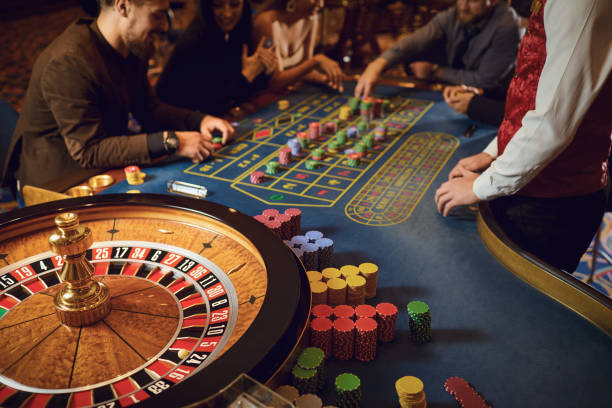
Gambling can be broadly categorized into three main types: casino games, sports betting, and lottery games. Casino games include a wide array of options, such as slot machines, blackjack, poker, and roulette. Each game comes with its unique rules and strategies, catering to various levels of skill and risk tolerance. For example, poker requires skillful decision-making and psychological tactics, while slot machines are purely chance-based, making them accessible for beginners.
Sports betting, on the other hand, involves wagering on the outcome of sporting events. This form of gambling has grown tremendously in popularity, especially with the rise of online betting platforms. Bettors can place wagers on numerous sports, from football to basketball, enhancing the excitement of watching the games. For beginners, understanding odds and how they work is critical, as it directly impacts potential winnings and overall strategy.
The lottery represents another popular form of gambling, where individuals purchase tickets for a chance to win large prizes. Lotteries are often state-run and contribute to public funds, making them a unique blend of gambling and community benefit. For newcomers, it's essential to grasp the probabilities involved and the low odds of winning significant prizes, which can help set realistic expectations and enhance responsible gambling practices.
The Psychology of Gambling
The psychology behind gambling is a fascinating area of study that combines elements of behavioral economics, decision-making, and social influences. Many individuals engage in gambling due to its thrilling nature and the potential for financial gain. The rush of placing a bet can trigger the release of dopamine in the brain, creating feelings of excitement and reward. For beginners, understanding this psychological aspect is essential to maintaining a healthy relationship with gambling.
Additionally, cognitive biases play a significant role in how gamblers perceive their chances of winning. The "gambler's fallacy," for example, leads individuals to believe that past outcomes influence future events, which can result in poor decision-making. Recognizing these biases can help beginners develop a more rational approach to gambling, allowing for better choices and a heightened awareness of risk.
Social influences also significantly impact gambling behavior. For many, gambling is a social activity shared among friends or family, which can enhance enjoyment but may also lead to risky behaviors. Understanding the balance between social enjoyment and responsible gambling is crucial for beginners, as it helps promote a healthy environment for engaging in this form of entertainment.
Responsible Gambling Practices
Responsible gambling is an essential aspect that every beginner should prioritize. It involves understanding the risks associated with gambling and implementing strategies to minimize potential harm. Setting limits on time and money spent on gambling activities is a crucial first step. By determining a budget and sticking to it, individuals can avoid the pitfalls of chasing losses and ensure their gambling remains a source of entertainment rather than stress.
Education about the signs of problem gambling is another critical component of responsible gambling. Beginners should be aware of the warning signs, such as gambling with money that should be used for essential expenses or experiencing a growing preoccupation with gambling activities. Recognizing these signs early can help individuals seek assistance and adopt healthier habits before issues escalate.
Lastly, taking advantage of available resources, such as self-exclusion programs and counseling services, can further enhance responsible gambling practices. Many online platforms and casinos offer tools that allow players to set limits or even take breaks from gambling if needed. Educating oneself on these resources can empower beginners to engage in gambling responsibly, promoting a safe and enjoyable experience.
Finding Reliable Gambling Resources
For beginners, navigating the world of gambling can be overwhelming, making it essential to find reliable resources for guidance. Many websites provide valuable information on how to download Plinko APK online, game strategies, and tips for maximizing your experience. Choosing reputable sources that prioritize transparency ensures you avoid falling prey to scams or misleading practices.
Moreover, many gambling organizations and advocacy groups focus on responsible gaming. These organizations often provide educational materials, support services, and resources to help individuals understand gambling and its associated risks. Engaging with these organizations can offer beginners insights into best practices, promoting a responsible approach to gambling.
Lastly, reviews from fellow players can be invaluable in selecting trustworthy platforms and games. Reading about the experiences of others can provide a more comprehensive understanding of what to expect and help avoid potential pitfalls. A well-informed beginner is better equipped to navigate the gambling landscape safely and responsibly, making their journey enjoyable and rewarding.